
Was York like other Victorian cities? Did it have fancy hats and horse-drawn carriages and those twisty mustaches everyone wore in the old pictures?

It was like that in some places but by the time Queen Victoria was on the throne, York’s days of great power and influence had mostly faded. In fact, the Queen herself hardly ever visited.

The Victorians gave York some of its fanciest buildings—but let’s not pretend everyone was living the high life.

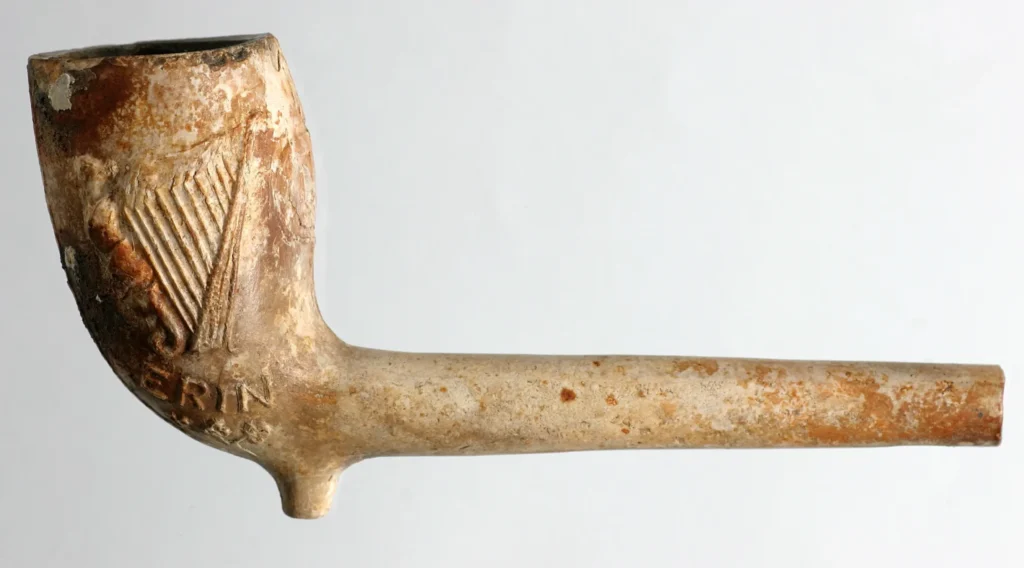
For Victorian York, I’d say one of the more compelling finds is a simple clay tobacco pipe - decorated with a harp, no less. Not an uncommon motif, mind you; harps and shamrocks appear quite frequently on these sorts of items. There’s reason to believe they’re connected to York’s Irish population, which grew rather significantly during the railway boom. A modest object, perhaps, but it speaks volumes.

For Victorian York, I’d say one of the more compelling finds is a simple clay tobacco pipe - decorated with a harp, no less. Not an uncommon motif, mind you; harps and shamrocks appear quite frequently on these sorts of items. There’s reason to believe they’re connected to York’s Irish population, which grew rather significantly during the railway boom. A modest object, perhaps, but it speaks volumes.