
What is Ebo… Eborra… Eboracum?! I’ve never seen that word before! Is it a secret code? Ooooh, maybe it’s the name of a super-old city buried under York!

That’s a good guess Doug! It’s the Roman name for York. Let's find out more about Roman York and some of what Archaeologists have found beneath our feet!

Of course, it’s not all mud and misery. Archaeologists have turned up some rather fabulous things from Roman York like baths. Apparently, soldiers liked to stay clean. Who knew?

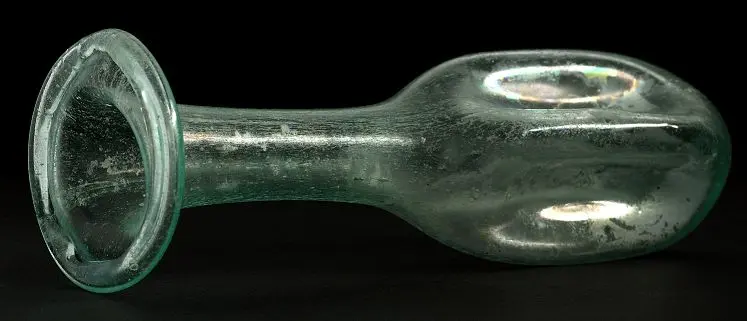
My favourite find would have to be a small glass perfume bottle, uncovered in a Roman grave alongside several other glass artefacts. Quite delicate, really, and yet it’s managed to survive all this time. The Romans, you see, were rather fond of their perfumes—used by both men and women, particularly during visits to the public baths. A touch of vanity, perhaps, but historically informative nonetheless.

My favourite find would have to be a small glass perfume bottle, uncovered in a Roman grave alongside several other glass artefacts. Quite delicate, really, and yet it’s managed to survive all this time. The Romans, you see, were rather fond of their perfumes—used by both men and women, particularly during visits to the public baths. A touch of vanity, perhaps, but historically informative nonetheless.